Camden Council rules for floral displays and roadside bouquets
Posted on 03/10/2026
If you are planning floral displays or roadside bouquets in Camden, the details matter more than most people expect. A hand-tied bunch on a pavement table, a tribute near a shopfront, or a temporary roadside bouquet for an event can all look simple enough. But the moment flowers sit near public space, access routes, road edges, or shared land, Camden Council rules for floral displays and roadside bouquets start to matter.
That is especially true in busy parts of London, where a display that feels charming at 9am can become an obstruction by lunchtime. Delivery drivers, wheelchairs, prams, bins, cyclists, and pedestrians all compete for room. So this guide breaks the topic down plainly: what these rules usually mean in practice, why they exist, how to stay on the safe side, and what a sensible process looks like for residents, businesses, event organisers, and florists.
Truth be told, the phrase can cover a few different things. Sometimes people mean decorative flowers placed outside a premises. Sometimes they mean a memorial bouquet left at the roadside. Sometimes they mean floral features linked to weddings, community events, or seasonal displays. Whatever the intention, the same core question comes up: how do you keep the display respectful, legal, and practical?
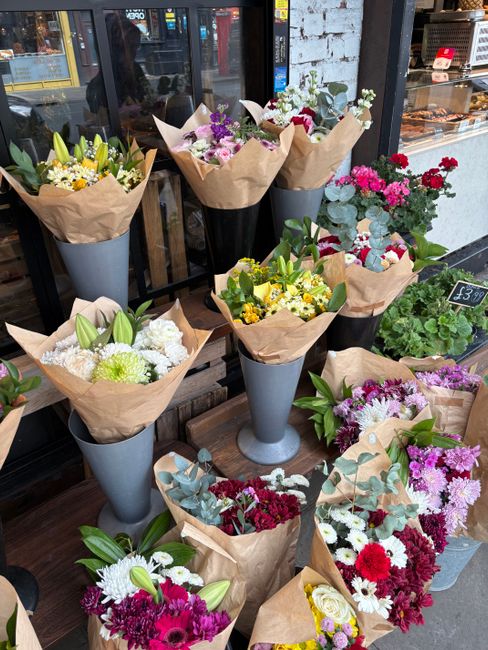
Table of Contents
- Why Camden Council rules for floral displays and roadside bouquets Matters
- How Camden Council rules for floral displays and roadside bouquets Works
- Key Benefits and Practical Advantages
- Who This Is For and When It Makes Sense
- Step-by-Step Guidance
- Expert Tips for Better Results
- Common Mistakes to Avoid
- Tools, Resources and Recommendations
- Law, Compliance, Standards, or Best Practice
- Options, Methods, or Comparison Table
- Case Study or Real-World Example
- Practical Checklist
- Conclusion
- Frequently Asked Questions
Why Camden Council rules for floral displays and roadside bouquets Matters
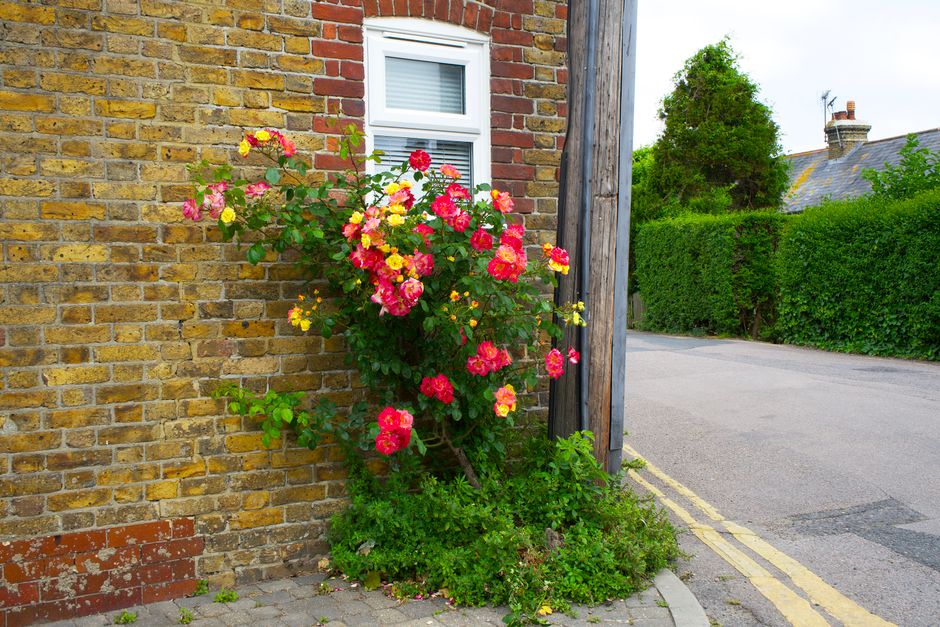
The short answer is that public space is shared space. A bouquet that looks lovely from your side of the window can create problems on the pavement, at the kerb, or beside a crossing. Camden is a dense, active borough, and that makes visibility, access, and tidiness more than just niceties. They are part of how a street works.
Rules and expectations around floral displays usually serve a few practical purposes:
- They help keep pavements clear for pedestrians and wheelchair users.
- They reduce the risk of displays falling, spilling water, or being knocked over.
- They protect sightlines for drivers, cyclists, and people stepping into the road.
- They help businesses and households avoid complaints or enforcement issues.
- They encourage displays that are respectful in sensitive settings such as memorial sites or funeral routes.
There is also a reputational side to this. A well-placed floral display can make a frontage feel cared for, welcoming, and calm. A badly placed one can do the opposite in seconds. You know the feeling: one heavy bucket, one narrow pavement, one gust of wind, and suddenly the whole setup looks more like a hazard than a gesture.
For roadside bouquets in particular, timing matters. A display that is fine briefly may not be acceptable if it blocks sightlines over time, attracts litter, or becomes weather-damaged. Camden-style urban streets are unforgiving in that way. Small details become big details fast.
Expert summary: If a floral display touches public space, assume you need to think about access, safety, visibility, maintenance, and local permission before you think about decoration. That mindset alone prevents most problems.
How Camden Council rules for floral displays and roadside bouquets Works
In practice, the rules tend to work through a mix of property rights, public highway considerations, and common-sense safety expectations. The exact position depends on where the flowers are being placed and whether they remain entirely within private property.
Here is the simplest way to think about it:
- Inside private property: Flower arrangements on internal windowsills, reception desks, or inside a shop are usually a private matter.
- At the edge of a premises: Displays near entrances, forecourts, or shopfronts can be acceptable if they do not block access, reduce visibility, or create a trip hazard.
- On the pavement or roadside: This is the zone where caution increases. Anything placed on public land, near the carriageway, or in a way that affects movement may need careful consideration or permission.
- Temporary memorials or tributes: Roadside bouquets are often emotionally meaningful, but they still need to be placed safely and respectfully, without creating hazards.
One point that often gets missed: even where a display is small, water containers, ribbon tails, stands, wire, and packaging can create issues. It is not always the bouquet itself; it is the extras around it. A puddle on a slick pavement at 7:30am is nobody's friend.
Florists and event organisers usually have to ask a second question as well: will the arrangement stay stable in British weather? Wind, rain, and foot traffic are a difficult trio. If the answer is no, the display may need redesigning before it is placed near a road.
If you are arranging flowers for a special delivery, it can help to think about the whole journey, not just the final look. Practical details like timing, handling, and protection from weather are covered in the site's delivery guidance and flower care advice, both of which are useful when a display needs to arrive fresh and stay presentable.
Key Benefits and Practical Advantages
Following the rules is not just about avoiding trouble. Done properly, it makes the floral display better. Cleaner. Safer. More likely to be noticed for the right reasons.
- Better presentation: A display that fits the site looks more intentional and elegant.
- Less risk of removal or complaint: If the arrangement is safe and sensibly placed, you are less likely to get objections.
- Improved customer experience: For shops, cafes, hotels, and venues, tidy flowers can enhance the whole frontage.
- Stronger symbolism: A roadside bouquet placed thoughtfully feels respectful rather than careless.
- Reduced waste: Good planning means fewer damaged stems, less packaging mess, and less rework.
There is a quieter benefit too. When people see a floral display that feels calm and controlled, they tend to trust the business or organiser behind it. That might sound a bit fluffy, but in real life it matters. People notice care.
If you are choosing flowers with street presence in mind, it may help to select blooms that hold their shape well and remain readable at a distance. The site's all flowers collection and seasonal options like summer flowers can be a practical starting point when you want something that looks good and lasts.
Who This Is For and When It Makes Sense
This topic matters to more people than you might think. It is not just for florists, and it is not just for formal businesses.
- Local residents: If you want to place a memorial bouquet, a birthday bunch, or flowers outside a home.
- Shop owners and cafes: If you display flowers near your frontage or pavement seating.
- Florists: If you deliver roadside bouquets, funeral tributes, or venue flowers in Camden.
- Event organisers: If you are dressing a street, entrance, or temporary outdoor space with flowers.
- Families and friends: If you are arranging a tribute near the roadside after a loss or accident.
It also makes sense any time there is a public-facing element. Even a lovely hand-tied bouquet can become a problem if it sits where a passer-by has to dodge around it. In our experience, that is the point where people realise the difference between "decorative" and "deployed in public space". Slightly cheeky, yes, but very real.
For emotionally sensitive occasions, the tone matters as much as the placement. Funeral and sympathy flowers need care, dignity, and stability. If that is your situation, pages like funeral flowers in Hampstead Garden Suburb, funeral arrangements, and sympathy flowers may be helpful when you are deciding what to send.
Step-by-Step Guidance
If you want to keep things straightforward, use this process before placing floral displays near a road, pavement edge, or public boundary.
1. Identify the exact location
Start by mapping the flower's position. Is it fully indoors, inside a private forecourt, on a shared pavement, or right by the kerb? This single question changes everything. A bouquet on a cafe counter is one thing; the same bouquet tied to a bollard is another.
2. Check whether the display touches public land
If any part of the display sits on public land, do not assume it is automatically fine. Ask whether it narrows access, creates a trip hazard, blocks signage, or interferes with sightlines. That is where many problems begin.
3. Decide how long the display will remain in place
Temporary bouquets are easier to manage than long-running roadside displays. The longer something stays out, the more likely weather, litter, and foot traffic will affect it. If it is a tribute, decide who will maintain or collect it.
4. Choose a stable arrangement
Use a vase, weighted container, secured stand, or other stable base if the display is exposed. Loose wrapping paper, low-quality tape, and flimsy containers are rarely enough. To be fair, they look a bit sad even before the wind arrives.
5. Keep access clear
Leave enough room for people to pass comfortably. Remember prams, wheelchairs, shopping bags, and delivery trolleys. If a person has to step into the road because of a bouquet, the arrangement is in the wrong place.
6. Consider weather and cleanliness
Rain can drip from containers. Petals can blow away. Leaves can slide underfoot. If the display might shed water or debris, protect the area or move the flowers to a safer position.
7. Review after placement
A display that looks fine at the start may need a tweak after half an hour. A ribbon slips. A vase tilts. The sun changes the angle. Give it a quick second look. That small habit saves hassle.
For anyone ordering flowers for fast placement, delivery timing matters too. Same-day or next-day options can be useful when the bouquet needs to be in place at a particular moment, especially for tributes, events, or last-minute business displays. The site's same-day flower delivery and next-day flower delivery pages are useful if timing is part of your decision.
Expert Tips for Better Results
Once the basics are covered, the small choices make the biggest difference. That is usually how it goes with flowers, honestly. A little restraint is often better than trying to make a display do too much.
- Use a lower profile near roads: Taller arrangements can catch the wind and block visibility.
- Prefer strong stems and tidy mechanics: Blooms that hold shape are easier to keep presentable outdoors.
- Match the message to the setting: A roadside tribute should feel calm and restrained, while a shop display can be brighter.
- Secure loose elements: Satin ribbon, card holders, and lightweight foam can blow off surprisingly easily.
- Plan a collection point: If bouquets are part of an event or memorial, arrange in advance who clears them away.
- Work with the season: In winter, keep expectations realistic. In summer, stay alert to wilting and water loss.
Another practical tip: think about what the display will look like from a moving car or from the opposite pavement. That angle often tells you more than a close-up ever will. If the bouquet still reads clearly from a distance, you are usually on the right track.
For broader inspiration, the florist's best sellers and florist choice ranges can be useful when you want a balanced arrangement without overthinking every stem. Not every job needs a dramatic showstopper. Sometimes neat and well-made wins.
Common Mistakes to Avoid
Most issues with floral displays and roadside bouquets are not caused by bad intentions. They come from underestimating how public and exposed the setting really is.
- Placing flowers too close to the carriageway: Even if they look secure, they may be too near moving traffic.
- Using unstable containers: Lightweight vases, weak stands, and loose buckets are risky in wind or rain.
- Blocking a doorway or path: A display should never make access awkward.
- Ignoring maintenance: Wilted flowers, muddy water, and fallen petals change the tone fast.
- Assuming one location suits all purposes: Memorials, business decor, and event styling are not interchangeable.
- Forgetting the removal plan: If nobody is responsible for clearing the bouquet, it can become clutter.
A smaller but common mistake is using packaging as if it were part of the finished display. Cellophane, card tags, and binding materials are handy for transport, but outdoors they can look messy and catch the wind. Keep the finish clean. That matters more than people think.
Tools, Resources and Recommendations
You do not need a complicated kit, but a few practical tools make a big difference when you are working near public space.
- Weighted vase or container: Helps keep the display upright.
- Water source or hydration wrap: Useful for longer-lasting bouquets.
- Flower snips and clean scissors: Better cuts mean better water uptake.
- Weather-resistant ties or floristry tape: Keeps stems and decorations in place.
- Simple card holder: Useful if the arrangement carries a message or tribute.
- Transport box: Protects flowers on the way to site.
For buyers who want a straightforward selection, categories such as flowers in a vase, baskets and posies, and sprays can be more suitable than loose hand-tied styles where stability matters. A vase or basket often behaves better outdoors. Simple as that.
If you are working on a broader floral order, the pages for about us, guarantees, and contact us can also help when you want reassurance around service, delivery, or what to expect. It is always nicer to know where you stand before a deadline is looming.
Law, Compliance, Standards, or Best Practice
This is the section where caution matters. Without quoting specific council powers or inventing procedural detail, the safest way to approach Camden Council rules for floral displays and roadside bouquets is to treat any public or semi-public placement as something that may need permission, assessment, or adjustment.
In the UK, the general principles usually include:
- Do not obstruct the highway: Anything that reduces safe passage can create a problem.
- Do not create a hazard: Slips, trips, spills, sharp wire, and unstable objects are all concerns.
- Do not block sightlines: Visibility matters near junctions, crossings, and driveways.
- Respect private land boundaries: Even a small bouquet is not automatically okay on land you do not control.
- Maintain dignity in sensitive contexts: Funeral and memorial displays should be handled with care and removed responsibly when appropriate.
Best practice is usually to document your decision-making, even informally. A quick note about where the flowers were placed, who approved it, how long they will stay, and who will remove them can save confusion later. It sounds a bit over-cautious until something goes wrong. Then it feels sensible, which is another way of saying adult.
If you are dealing with a business frontage, event site, or recurring arrangement, it is also wise to align the display with your own site policies, risk awareness, and public liability thinking. The exact requirements vary, so the careful route is to check the site conditions first and keep the design adaptable.
Options, Methods, or Comparison Table
Different floral formats suit different situations. Here is a practical comparison to help you choose the right approach for Camden streets, shopfronts, or roadside tributes.
| Format | Best for | Strengths | Watch-outs |
|---|---|---|---|
| Hand-tied bouquet | Quick gifts, indoor displays, short-lived tributes | Pretty, flexible, easy to personalise | Can be unstable outdoors without a vase or secure base |
| Vase arrangement | Shopfronts, tables, sheltered public-facing areas | More stable, neater presentation, easier to hydrate | Needs a solid surface and careful spill control |
| Basket or posy | Memorials, sympathy arrangements, modest roadside tributes | Compact, dignified, generally easier to place | Still needs protection from wind and foot traffic |
| Spray or tribute | Funeral and remembrance settings | Clear visual message, structured form | May require more careful handling and placement |
| Large decorative display | Events, weddings, entrances | Strong visual impact | Higher risk of obstruction and weather damage |
For many readers, the sweet spot is a compact, well-built arrangement rather than something oversized. It is easier to keep tidy, easier to move, and usually easier to justify if space is tight. Camden does not always reward grand gestures in the street. Sometimes the modest option is the clever one.
Case Study or Real-World Example
Imagine a small independent cafe in Camden planning a spring refresh. The owner wants flowers near the entrance to make the frontage feel welcoming. The first idea is a pair of tall statement vases beside the door. Nice in theory. But the doorway is already busy with takeaway customers, a pram occasionally needs through, and the pavement narrows near the corner.
Instead, the florist suggests two lower baskets with mixed seasonal flowers, placed just inside the threshold where they are visible from the street but do not restrict access. The colour palette is cheerful, the smell is fresh without being overpowering, and the arrangement stays put when a late breeze comes down the road.
A different example: a family wants to leave a roadside bouquet after a memorial service. The emotional instinct is to place it exactly where the memory feels strongest. That is understandable. But a sensible adjustment is made so the tribute sits in a safe, stable spot slightly away from the edge, with a small card and no loose wrapping. Someone agrees to return later to collect it before it becomes damaged or scattered.
In both cases, the floral choice stays meaningful, but the placement becomes the key. That is really what this topic is about. Not just flowers. Judgment.
Practical Checklist
Use this quick checklist before setting up a floral display or roadside bouquet in Camden:
- Have I checked whether the flowers will sit on private or public land?
- Will the display leave enough space for pedestrians, prams, and wheelchairs?
- Could wind, rain, or traffic movement make it unstable?
- Are there any loose items that could blow away or fall off?
- Does the arrangement avoid blocking sightlines, doors, or signage?
- Is there a named person responsible for maintenance or removal?
- Have I chosen a container or format that suits the location?
- Will the flowers still look respectful if they age over a few hours or days?
- Do I need to check with the property owner, venue, or relevant authority first?
- Have I got a backup plan if the weather turns nasty?
If you can tick most of those with confidence, you are probably in decent shape.
Conclusion
Camden Council rules for floral displays and roadside bouquets are really about balance. Beauty, safety, access, and respect all need to sit together. When they do, even a small arrangement can make a street feel calmer and more cared for. When they do not, the same bouquet can become an obstacle in minutes.
The best approach is simple: choose the right format, place it thoughtfully, secure it properly, and keep the public setting in mind at every step. Whether you are planning a shopfront feature, a memorial tribute, or a last-minute bouquet for an event, the details will decide whether the result feels effortless or awkward. Usually it is the details, not the flowers themselves.
If you are looking for a thoughtful floral order with dependable presentation, it may help to browse the full range and choose a design that suits the setting rather than forcing a style that does not quite fit.
Get a free quote today and see how much you can save.
Frequently Asked Questions
Do I need permission for floral displays on the pavement in Camden?
If any part of the display sits on public pavement or affects access, it is wise to check first. Permission or approval may be needed depending on the exact location and setup.
Are roadside bouquets allowed near busy roads?
They may be possible, but only if they do not create a hazard, obstruct visibility, or interfere with safe movement. Near roads, stability and placement matter a lot.
Can I leave a memorial bouquet by the roadside?
Often people do, but it should be placed safely and respectfully. Avoid the carriageway edge, keep it secure, and make sure it does not block paths or signage.
What type of flowers work best for outdoor displays?
Compact, sturdy arrangements usually perform better outdoors than loose, delicate bouquets. Vase-based or basket-based designs tend to be more stable.
How long can a floral display stay in place?
That depends on the location, purpose, and weather exposure. Temporary displays are usually easier to manage. Longer placements need maintenance and a clear removal plan.
What are the biggest safety risks with roadside bouquets?
The main risks are trip hazards, spills, wind damage, and anything that reduces sightlines. Loose decorations and lightweight containers can also cause trouble.
Can a business place flowers outside its entrance?
Yes, often it can, provided the arrangement does not block access or create a hazard. A lower, well-secured display is usually safer than a tall one near a narrow pavement.
What should I avoid when setting up flowers outdoors?
Avoid unstable containers, loose packaging, blocking walkways, and anything too close to the road edge. If in doubt, simplify the design.
Do funeral flowers have different expectations?
Yes. Funeral and sympathy arrangements are usually handled with more formality and care. Stability, dignity, and respectful placement are especially important.
Are there safer alternatives to loose bouquets for public-facing areas?
Yes. Baskets, posies, vase arrangements, and structured tribute styles are often safer and easier to manage than loose hand-tied bouquets.
Should I check with the property owner before placing flowers?
Absolutely, if the display is anywhere near someone else's frontage, entrance, or land. That quick conversation can prevent a lot of awkwardness later.
What is the best first step if I am unsure about Camden Council rules?
Start by identifying exactly where the flowers will go and whether they touch public land. Once you know that, the next decision is much clearer.
Sometimes the quietest floral displays are the most successful. A neat bouquet, properly placed, can do more than a big statement piece ever could. And that, in the end, is often enough.